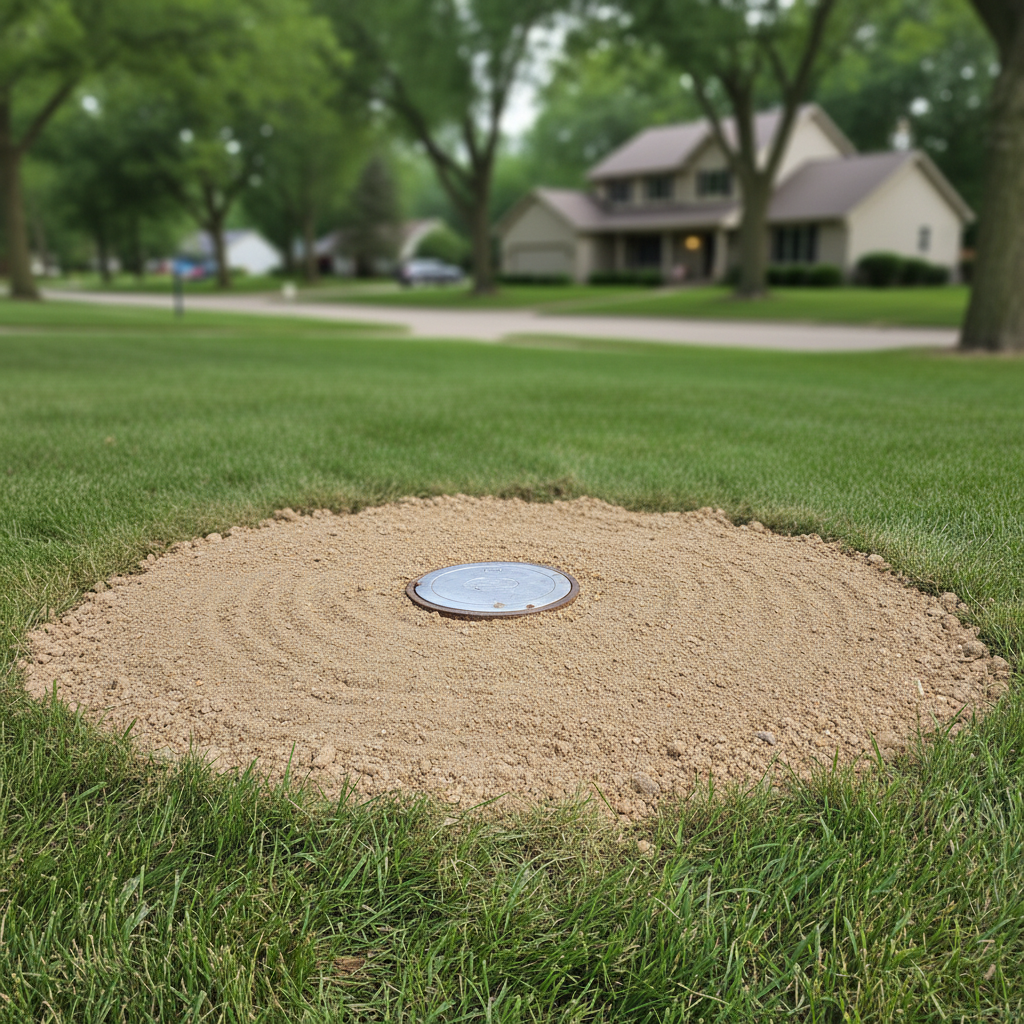
Environmental drilling sounds like something only big industrial sites need, doesn't it? Well, not always. Sometimes, homeowners right here in Rockford find themselves dealing with soil or groundwater contamination. Maybe it's from an old, buried oil tank, or a chemical spill, or even just naturally occurring stuff that needs a closer look. When that happens, you'll probably need some environmental drilling. It's how we get samples to really see what's going on underground.
I’ve been doing this kind of work around Rockford for years, and I've seen plenty of folks get overwhelmed. So, let's break down what you, as a homeowner, really need to know about environmental drilling, from start to finish.
Before the Drill Bit Even Touches Ground
This is where you do your homework. Honestly, it's the most important part. You can't just call up a driller and say, "Come drill here!" There's a process to it.
- Figure Out Why You're Drilling: Are you investigating a known spill? Trying to get a property cleared for sale? Monitoring groundwater quality? The "why" dictates the "how." Your environmental consultant will help you nail this down.
- Get Your Environmental Consultant: This isn't a DIY job, not by a long shot. You'll need a qualified environmental consultant first. They're the ones who design the sampling plan, interpret the data, and tell us exactly where and how deep to drill. They'll also handle the regulatory side of things, like getting permits from the Illinois EPA if needed. Don't try to skip this step; it'll only cost you more in the long run.
- Site Assessment and Utility Locates: Before we even show up, your consultant will have done a site assessment. Then, before anyone starts digging or drilling, you absolutely need to get utility locates done. Call JULIE (811) at least a few days before any work. We're talking gas lines, water mains, sewer lines, electrical — you name it. Hitting one of those is a nightmare, dangerous, and expensive. Your consultant should coordinate this, but it's good for you to know it's happening.
- Access and Clearance: Think about where the drilling rig needs to go. We're not talking about a tiny machine here. These rigs can be big and heavy. Is there enough clearance for height and width? Will we need to remove fences, trim trees, or protect your lawn? Let's figure that out beforehand.
During the Environmental Drilling Project
Once everything's planned, the drilling itself can be pretty quick, depending on the scope. Here's what you can expect:
- The Crew Arrives: You'll see our team, the drilling rig, and all the necessary equipment pull up. We'll set up, making sure to protect your property as much as we can.
- Drilling and Sampling: We'll advance the drill bit into the ground, taking soil samples at specific depths, just as your consultant directed. Sometimes we're installing monitoring wells — those are small-diameter pipes that let your consultant collect groundwater samples over time. We use specialized techniques to prevent cross-contamination between different soil layers. This is crucial for getting accurate data, you know?
- Waste Management: Drilling generates waste – soil cuttings and potentially contaminated water. This material needs to be properly contained and disposed of according to regulations. Your consultant will have a plan for this, and it's part of the overall cost. We don't just leave a pile of dirt in your yard, don't worry.
- Safety First: We're always focused on safety. There will be safety cones, and we'll ask you to keep pets and kids away from the work area. It's a construction site, even if it's in your backyard.
Rockford's geology can vary quite a bit, from the sandy glacial till in some of the older neighborhoods to the bedrock we hit deeper down. This affects how we drill and what equipment we use, but our team at Valley Well Drilling is used to it.
After the Drilling is Done
The drilling part might be over, but the project isn't finished for you.
- Site Restoration: We'll clean up the work area. If we installed monitoring wells, they'll be capped and protected, often flush with the ground so they don't create a tripping hazard. We'll backfill any boreholes that aren't being used for wells. We do our best to leave your property looking as close to how we found it as possible.
- Lab Analysis: Your consultant will send the collected samples to a lab. This is where the real answers come from. The lab results will tell you exactly what contaminants are present, at what concentrations, and at what depths.
- Consultant's Report and Recommendations: Once the lab results are in, your environmental consultant will put together a report. This report will explain the findings, tell you what they mean for your property, and recommend next steps. This could be anything from "no further action needed" to "we need to clean this up."
- Future Monitoring (If Needed): If monitoring wells were installed, your consultant might recommend periodic sampling to track changes in groundwater quality over time.
Your role as a homeowner in all this is mostly about cooperation and communication with your environmental consultant and us. You're not expected to be an expert in drilling or environmental regulations. That's what we're here for. We'll work closely with your consultant to make sure the drilling phase goes smoothly, safely, and gets them the information they need to help you resolve whatever environmental issue you're facing.
It can feel like a big undertaking, but with the right team, it's manageable. Don't hesitate to ask questions throughout the process. We're happy to explain what we're doing and why.