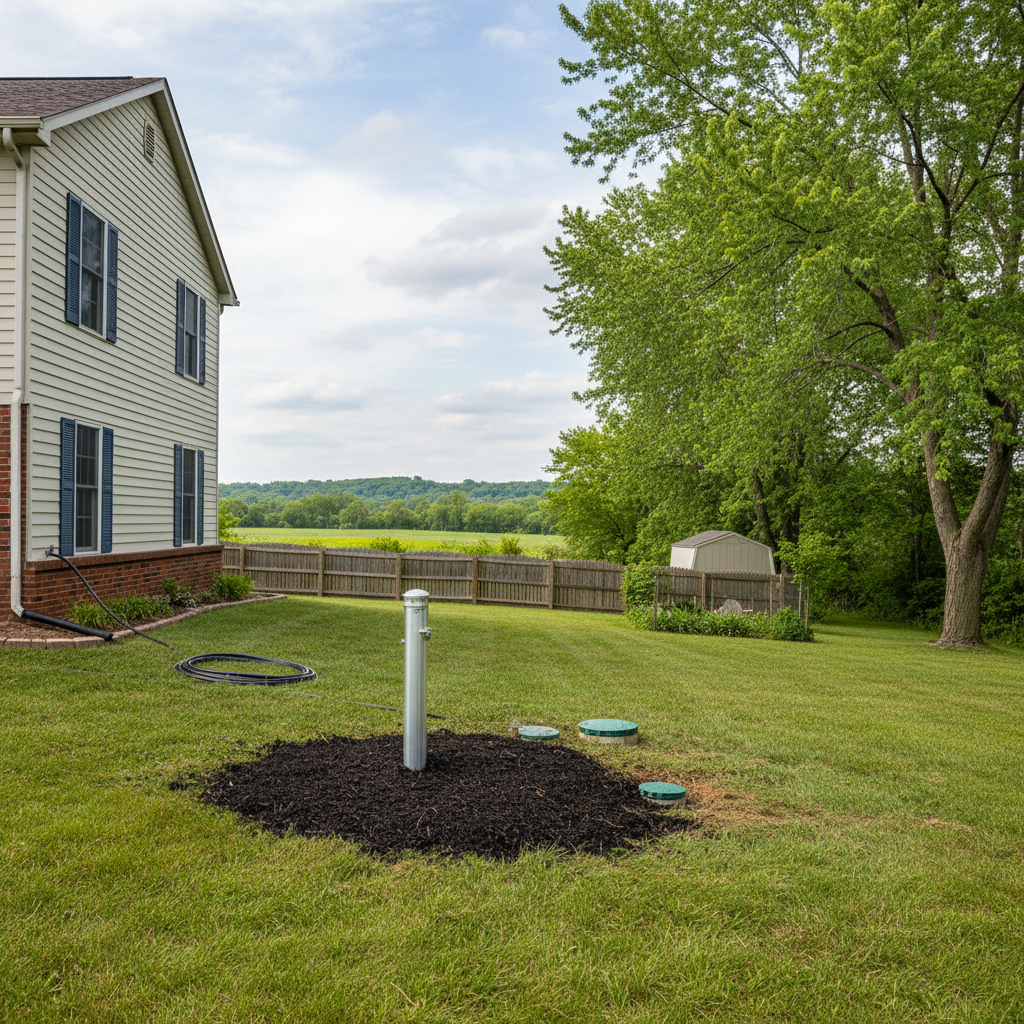
So, you’re looking at an environmental drilling project on your property. Maybe it’s for soil sampling, groundwater monitoring, or something else entirely. It can feel a bit overwhelming, I get it. But with a little planning, you can make sure things go smoothly. I’ve seen plenty of these projects around Rockford, from the older homes near the Rock River to the newer developments out by Cherry Valley, and a good plan always makes a difference.
How Long Will This Take?
Let's talk about how long this whole thing takes. It's not usually an overnight job, so don't expect that. The timeline for an environmental drilling project can vary a lot, but here’s a general breakdown:
- Initial Chat & Site Visit: This is where it all starts. We'll come out, talk to you about what you need, and take a good look at your property. Getting this scheduled and wrapped up might take a few days to a week.
- Permitting: This is often the biggest wild card. Depending on the work and local rules, getting permits from the city or county can take anywhere from a couple of weeks to a couple of months. We handle this for you, but sometimes you just have to wait.
- Scheduling the Work: Once permits are in hand, we'll get you on the calendar. This depends on how busy we are, but usually, we can get to you within a few weeks.
- On-Site Drilling & Sampling: The actual drilling part. For most residential environmental projects, this might be a day or two, sometimes three if it's more complex or involves multiple boring locations.
- Lab Analysis & Reporting: After we collect samples, they head to a lab. Getting results back and compiling a report can take another two to four weeks.
So, from start to finish, you're usually looking at anywhere from six weeks to three months, sometimes a bit longer if those permits hit a snag.
What to Expect When We're On-Site
When we show up, here’s what you’ll see. We'll bring a drilling rig – it’s not as big as a full-sized well rig, but it's still a decent piece of equipment. We'll also have support vehicles with tools and supplies. Our crew will be professional and focused on safety, naturally.
You'll hear some noise; drilling isn't silent. We'll be setting up equipment, drilling boreholes, and collecting samples. We take care to minimize disruption to your property, but there will be some impact. We'll mark out the drilling locations beforehand, so you know exactly where we'll be working.
After the drilling, we'll properly abandon the boreholes according to state regulations, which usually means filling them with bentonite grout. We'll clean up the site as best we can, leaving it tidy. You might see some disturbed soil where we drilled, but we'll do our best to restore it.
How to Get Your Property Ready
Before we arrive, there are a few things you can do to make our job easier and keep your property safe:
- Mark Underground Utilities: This is crucial. Call JULIE (811) at least a few days before we start. They'll mark public utilities. For private lines like sprinkler systems, invisible fences, or septic lines, you'll need to mark those yourself or hire a private locator. We can't drill if we don't know where everything is, can we?
- Clear the Area: Move any vehicles, lawn furniture, planters, or anything else that's in the way of where we'll be working. Make sure there’s a clear path for our equipment to get to the drilling locations.
- Secure Pets: Keep your pets indoors or in a secure, fenced area away from the work zone. We don't want any accidents.
- Inform Neighbors: It’s a good idea to give your immediate neighbors a heads-up that there will be some drilling activity and noise for a day or two. It's just a courteous thing to do.
- Access: Ensure we have clear access to the property and the drilling sites. If there are gates, make sure they’re unlocked or that you've given us access instructions.
Key Questions to Ask Before Signing a Contract
Before you commit, you need to be clear on a few things. Don't be shy about asking these questions:
- What exactly is included in this quote? Make sure there are no hidden fees. Does it cover permitting, drilling, sampling, lab analysis, and reporting?
- What are your qualifications and experience with environmental drilling? You want to know they've done this before, especially in local conditions, like the clay and hardpan we often encounter in Winnebago County.
- Are you licensed and insured? Valley Well Drilling is, and any reputable company should be. Ask for proof of insurance.
- What's your plan for site restoration? How will they leave your property after the work is done? Will they reseed grass, for example?
- What's the estimated timeline for the entire project, including permitting and reporting? Get a realistic expectation upfront.
- Who will be my main point of contact throughout the project? You want to know who to call if you have questions or concerns.
- What happens if you hit an unexpected obstruction? Sometimes we hit old foundations, bedrock, or buried debris. How will that be handled, and what are the potential cost implications?
Asking these questions upfront will save you headaches down the road. It helps you understand the process, sets clear expectations, and ensures you're working with a professional team. We're here to help make your environmental drilling project as smooth as possible.