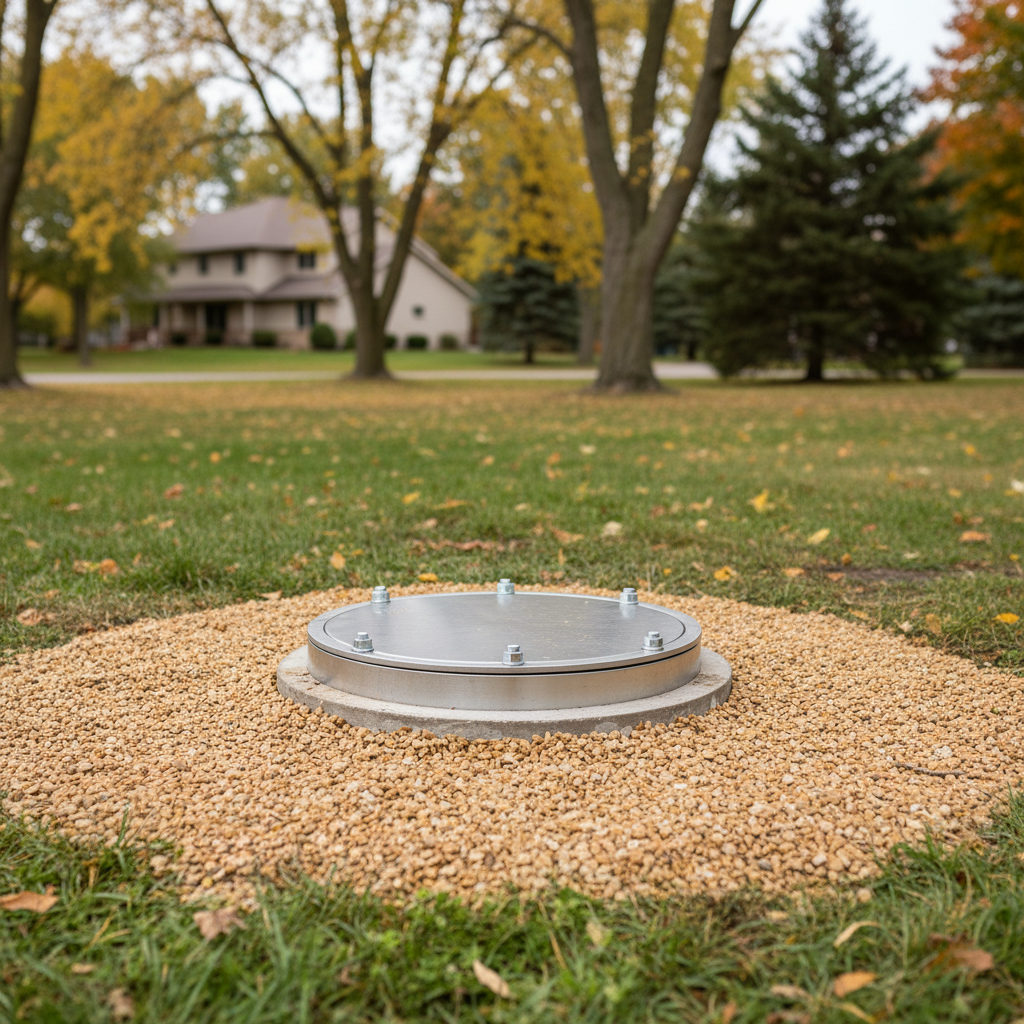
Alright, let's talk geothermal. It's a big investment, and you've probably heard a lot of buzz about it. Homeowners around Rockford, from the older places in Churchill's Grove to the newer builds out by Cherry Valley, are always asking me about it. It makes sense; everyone wants to save on heating and cooling, especially with our wild Illinois weather. So, I've put together answers to the most common questions I get about geothermal drilling.
What exactly is geothermal heating and cooling, and how does it work?
Simply put, geothermal systems use the stable temperature of the earth to heat and cool your home. Below a certain depth, the ground stays pretty much the same temperature year-round – around 50-55 degrees Fahrenheit here in northern Illinois. In winter, the system pulls heat from the ground and transfers it into your house. In summer, it does the opposite: it pulls heat from your house and dumps it into the cooler ground. It's not magic; it's just smart physics. You've got a loop system of pipes buried in the ground, a heat pump unit inside your home, and a distribution system (like your existing ductwork) to move the conditioned air around.
Is geothermal really a good fit for Rockford's climate?
Absolutely, it's an excellent fit. Our climate here in Rockford is perfect for geothermal. We get really cold winters and really hot, humid summers. That means we have a high demand for both heating and cooling. Since the ground temperature is so stable, a geothermal system doesn't have to work as hard as a traditional furnace or AC unit to overcome extreme outdoor temperatures. It's always working with a relatively mild source or sink, which is why it's so efficient. You'll see those energy savings add up quickly when you're not battling 10-degree days or 90-degree heat waves with a conventional system.
What kind of drilling is involved, and how disruptive is it?
This is where Valley Well Drilling comes in. For most residential geothermal systems, we're talking about vertical closed-loop systems. That means we drill several boreholes, usually 4 to 6 inches in diameter, anywhere from 150 to 300 feet deep, sometimes more depending on your home's size and energy needs. We then insert U-shaped pipes into these boreholes, fill them with a special fluid (usually water and antifreeze), and grout the holes to ensure good thermal contact with the earth. It's definitely a construction project. You'll have a drilling rig on your property, and yes, there will be some mud and disruption for a few days. We do our best to minimize the impact, but it's not like planting a bush. We'll need access for our equipment, and there will be some temporary impact on your yard. We always discuss the site logistics with you upfront so you know what to expect.
How much space do I need for a geothermal system?
This depends on the type of system. For vertical loops, which are most common in our area due to lot sizes, you don't need a huge amount of space. The boreholes are drilled relatively close together, often in a small section of your yard. We can usually fit the array in a typical suburban backyard without too much trouble. If you have a larger property, like some of the homes out towards New Milford, you might have the option for a horizontal loop system, which uses shallower, longer trenches. But vertical is usually the way to go for most residential properties because it uses less surface area. The indoor unit is similar in size to a conventional furnace and AC coil, so it fits in your basement, utility closet, or attic just fine.
What are the upfront costs, and how long does it take to pay off?
Let's be honest, the upfront cost for a geothermal system is higher than a traditional furnace and AC. There's the drilling, the loop installation, the heat pump unit, and the integration with your existing ductwork. We're talking tens of thousands of dollars. However, the operating costs are significantly lower. Many homeowners see their heating and cooling bills drop by 50-70%. There are also federal tax credits and sometimes state or local incentives that can help offset the initial investment. The payback period varies depending on energy prices, your home's insulation, and the specific system, but typically, homeowners see a return on investment in 5 to 10 years. After that, it's pure savings. Think of it as a long-term investment in your home's value and your wallet.
How long do geothermal systems last, and what kind of maintenance do they need?
This is one of the big advantages. The underground loop field is incredibly durable. Those pipes are made of high-density polyethylene, designed to last 50 to 100 years or even longer. They're buried, so they're protected from the elements. The indoor heat pump unit typically lasts 20-25 years, which is significantly longer than a conventional furnace or AC unit (which usually go for 10-15 years). Maintenance is also pretty minimal. You'll need to change the air filter regularly, just like with any HVAC system, and have the heat pump unit checked by an HVAC professional every few years. There's no outdoor unit exposed to Rockford's harsh winters or humid summers, so no coils to clean or fans to worry about out there. It's a very reliable system.
Are there any downsides or reasons it might not be right for my home?
Every system has its pros and cons. The main downside, as I mentioned, is the higher initial cost. If you're planning to move in a few years, the payback period might not make sense for you. Also, the drilling process itself is a significant undertaking. If your yard is already meticulously landscaped with mature trees, or if you have a very small, inaccessible lot, it can be more challenging or even impossible to get the drilling rig in. Sometimes, the soil conditions can also play a role; while most of Winnebago County has decent soil for drilling, extremely rocky or unstable ground can add to the complexity and cost. It's not a DIY project, and you need experienced professionals like us at Valley Well Drilling to do it right. We'll always do a site assessment to make sure it's a good fit for your property before you commit.