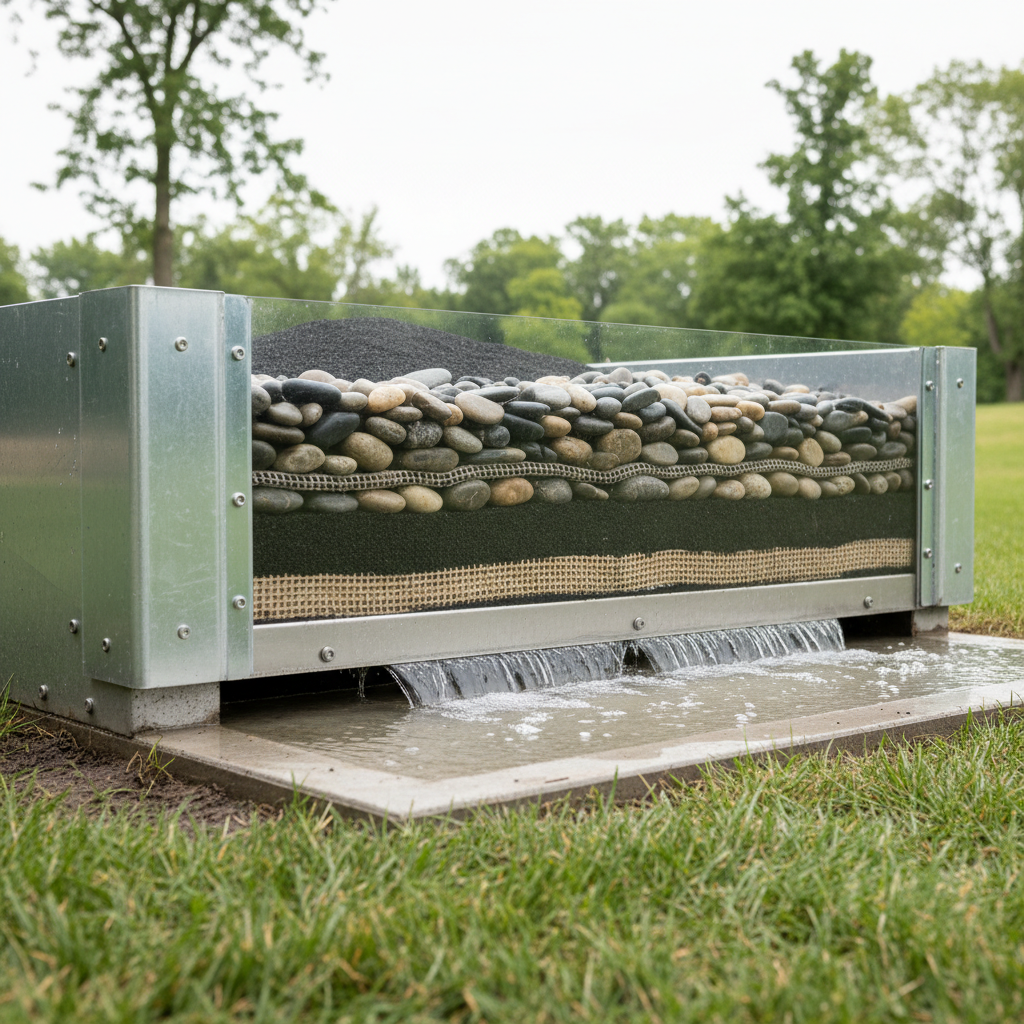
Understanding Your Water: The First Step
So, you're thinking about treating your home's water. Good for you. It's one of the best investments you can make in your health and your home's longevity. But before you buy anything or even think about what kind of system you need, you've got to know what's actually in your water. This isn't a guessing game; it's science.
You absolutely need to get your water tested. I can't stress this enough. Don't rely on what your neighbor down the street on Guilford Road says about their water, even if you're on the same city supply or aquifer. Water quality can vary wildly, even over short distances. For well owners, this is even more critical. Your well water is unique to your property.
You can do some basic tests yourself. There are kits you can buy online or at hardware stores that'll check for things like pH, hardness, chlorine, and sometimes iron. These are good for a quick snapshot, and they're definitely a DIY project. Just follow the instructions carefully. But for a comprehensive look, especially if you're concerned about bacteria, lead, nitrates, or other contaminants common in older Rockford homes, you need a professional lab test. Many local labs offer this, or we at Valley Well Drilling can help you arrange it. It's worth every penny to get the full picture.
Deciding What You Can Do Yourself
Once you have your test results, you'll know what you're up against. This is where you start figuring out if it's a DIY job or if you need a pro.
- Simple Filtration (DIY Friendly): If your main issues are just taste, odor (like chlorine in city water), or sediment, you've got a lot of DIY options. A simple whole-house sediment filter or a carbon filter can make a huge difference. These usually install right on your main water line where it enters the house. You'll need some basic plumbing skills – knowing how to cut and join pipes, apply Teflon tape, and use a wrench. If you're comfortable with that, go for it. It's a pretty straightforward job for most handy homeowners. Under-sink filters for drinking water are even easier; they often just connect to your cold water line with flexible hoses.
- Water Softeners (Moderate DIY): Hard water is a big problem around here, thanks to all the limestone in our geology. If your tests show high hardness, a water softener is probably on your list. Installing a water softener can be a DIY project if you're comfortable with plumbing. You'll need to cut into your main water line, connect the softener, and run a drain line for the regeneration cycle. The tricky part can be sizing it correctly and setting it up for your specific water hardness. If you're not confident, or if your plumbing is old and brittle, this might be one to call us about.
- Complex Systems (Pro Recommended): Anything beyond basic filtration or a standard softener usually warrants a professional. This includes things like reverse osmosis for whole-house treatment (not just under-sink), iron filters for really high iron levels, arsenic removal, UV sterilizers for bacteria, or systems designed to remove specific chemicals. These systems are more complex to size, install, and maintain. They often require specific flow rates, pressure considerations, and precise setup to work effectively and safely. Trying to DIY these can lead to wasted money, ineffective treatment, or even damage to your plumbing.
During the Project: What to Expect
Whether you're doing it yourself or hiring Valley Well Drilling, here's what's involved:
- Planning and Purchase: For DIY, research your system thoroughly. Read reviews, compare specs, and make sure it's rated for your water's specific issues. For pros, we'll recommend the right system based on your test results and your home's needs.
- Installation: If you're DIYing, turn off your main water supply! Drain the lines, make your cuts, and install the system according to the manufacturer's instructions. Don't skip steps. For a pro, we'll handle all that, ensuring proper placement, connections, and drainage. We'll also make sure it's up to code.
- Testing After Installation: This is crucial. Once your new system is in, whether it's a DIY job or a professional install, you need to test your water again. This confirms the system is working as it should. If you put in a softener, test for hardness. If you installed an iron filter, test for iron. Don't assume it's working just because the water looks clearer.
After Installation: Maintenance is Key
A water treatment system isn't a set-it-and-forget-it thing. It needs looking after, no matter who put it in.
- Filter Changes: This is the most common maintenance task and it's almost always a DIY job. Sediment and carbon filters need regular replacement. How often? It depends on your water quality and how much water you use. Your system's manual will give you a guideline, but you'll often find you need to change them more frequently if you have really dirty water, especially after heavy rains that stir up sediment in the well or city lines.
- Salt for Softeners: If you have a softener, you'll need to keep it topped up with salt. This is also a simple DIY task. Check it regularly, especially during dry spells when you might be using more water.
- System Backwashing/Regeneration: Some systems, like iron filters, need to backwash or regenerate. Most modern ones do this automatically, but you should still understand how it works and check that it's happening.
- Professional Check-ups: For more complex systems, or if you just want peace of mind, a yearly check-up from a professional is a good idea. We can inspect the system, make sure it's running efficiently, and re-test your water to ensure it's still doing its job. Sometimes water quality changes over time, and your system might need adjustments or even an upgrade.
Look, treating your water doesn't have to be a mystery. Get your water tested, understand the results, and then make an informed decision about what you can handle and when it's smart to call in the experts. Your home and your family will thank you for it.