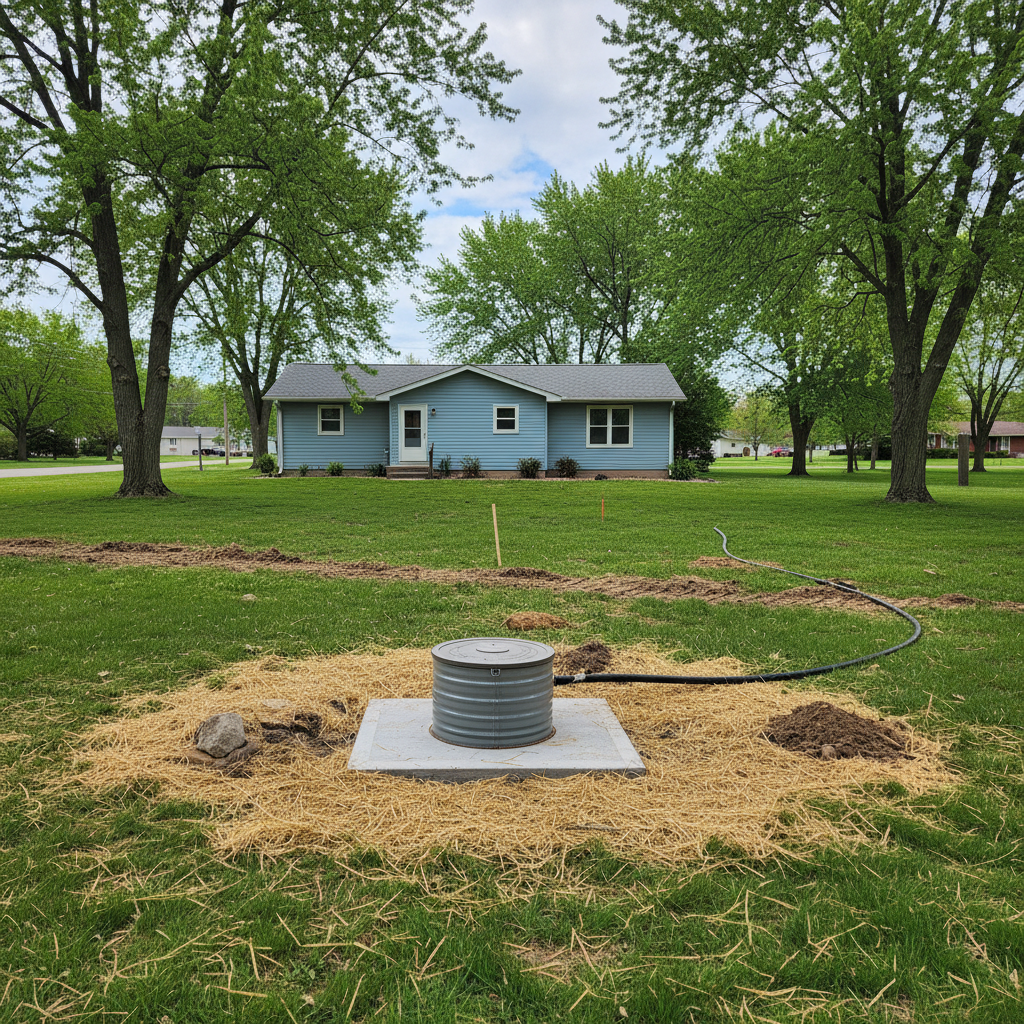
So, you need a new well, or maybe you're just curious about what it costs to get water flowing from your own property here in Rockford. It's a big investment, no doubt about it, and I get a lot of calls asking for a quick number. But the truth is, 'what does a well cost?' is like asking 'how much does a house cost?' There are a lot of moving parts.
I've been doing this for years with Valley Well Drilling, and I can tell you, while there's a typical range, what you pay can vary quite a bit. Let's dig into it.
What Drives Well Drilling Prices?
A few key things dictate the final bill. Understanding these will help you make sense of any quote you get.
- Depth of the Well: This is probably the biggest factor. Deeper wells mean more time, more labor, and more materials (casing, drilling mud, etc.). Here in Rockford, especially if you're out past the city limits where municipal water isn't an option, we often hit good water between 150 and 300 feet. But sometimes, especially in areas with tricky geology or if you're looking for a specific aquifer, it can go deeper. Every foot adds up.
- Geology and Soil Conditions: What's under your feet matters a lot. Drilling through soft soil or sand is usually quicker and easier than blasting through solid bedrock. We've got a mix of everything around here, from the rich topsoil to layers of limestone and shale. Hitting a lot of rock means specialized bits, slower progress, and more wear and tear on equipment, which translates to higher costs.
- Casing Material and Diameter: The casing is the pipe that lines the drilled hole, keeping it open and preventing contamination. Steel casing is standard and durable, but there are different gauges and diameters. A wider diameter well might be needed for higher water yields, and that means more material and a larger bore hole.
- Pump System: The well itself is just half the equation. You need a pump to get the water out. This includes the submersible pump, pressure tank, control box, and all the plumbing to connect it to your house. The size and type of pump depend on your household's water needs and the well's depth. A bigger house with more bathrooms and appliances will need a more robust system.
- Permits and Testing: You can't just start drilling. There are permits required by the county and state to ensure everything is done safely and to code. We also do water quality testing to make sure your water is safe to drink. These aren't huge costs individually, but they're necessary parts of the process.
- Site Accessibility: Can we easily get our big drilling rig onto your property? If we have to clear trees, build a temporary road, or navigate tight spaces, that adds time and labor.
Typical Cost Ranges in Rockford, IL
Alright, let's talk numbers. For a complete, installed residential well system in the Rockford area, including drilling, casing, pump, pressure tank, and hookup to your home, you're generally looking at a range.
Most standard residential wells, say 150-300 feet deep, will run you anywhere from $8,000 to $15,000. If you're talking about a deeper well, maybe 400-600 feet, or one that hits a lot of rock, that could easily push it to $15,000 to $25,000+. Commercial wells or those with very high yield requirements can go even higher.
Keep in mind, these are averages. Every property is unique, and that's why a site visit is so important.
What Should a Quote Include?
When you get a quote from a reputable driller, it should be pretty comprehensive. Don't settle for a one-line estimate.
- Drilling per foot: This should be a clear rate, often with different rates for different depths or rock vs. soil.
- Casing per foot: Specifies the type (e.g., steel) and diameter.
- Pump system: Details the pump size, pressure tank, and all related components.
- Trenching and hookup: Getting the water line from the well to your house.
- Permit fees: Itemized if possible.
- Water testing: What tests will be performed.
- Warranty information: For both the well and the pump system.
- Disposal of drilling spoils: How they'll handle the dirt and rock that comes out.
How to Avoid Overpaying
This is where your homework pays off.
- Get Multiple Quotes: Don't just go with the first company you call. Get at least three detailed quotes. This helps you compare apples to apples and understand the market rate.
- Ask for References: A good driller will be happy to provide them. Talk to their past customers about their experience.
- Understand the Contract: Read every line. If something isn't clear, ask. What happens if they hit unexpected rock? Is there an 'up to' depth in the quote?
- Check for Licensing and Insurance: This is non-negotiable. Make sure they're properly licensed by the state and fully insured. You don't want to be liable if something goes wrong.
- Don't Be Afraid to Ask Questions: You're making a significant investment. Ask about their experience in your specific area, their equipment, and their process.
Getting a well is a big deal, but it's also incredibly rewarding to have your own clean, reliable water source. Do your research, ask the right questions, and you'll get a system that serves you well for decades.