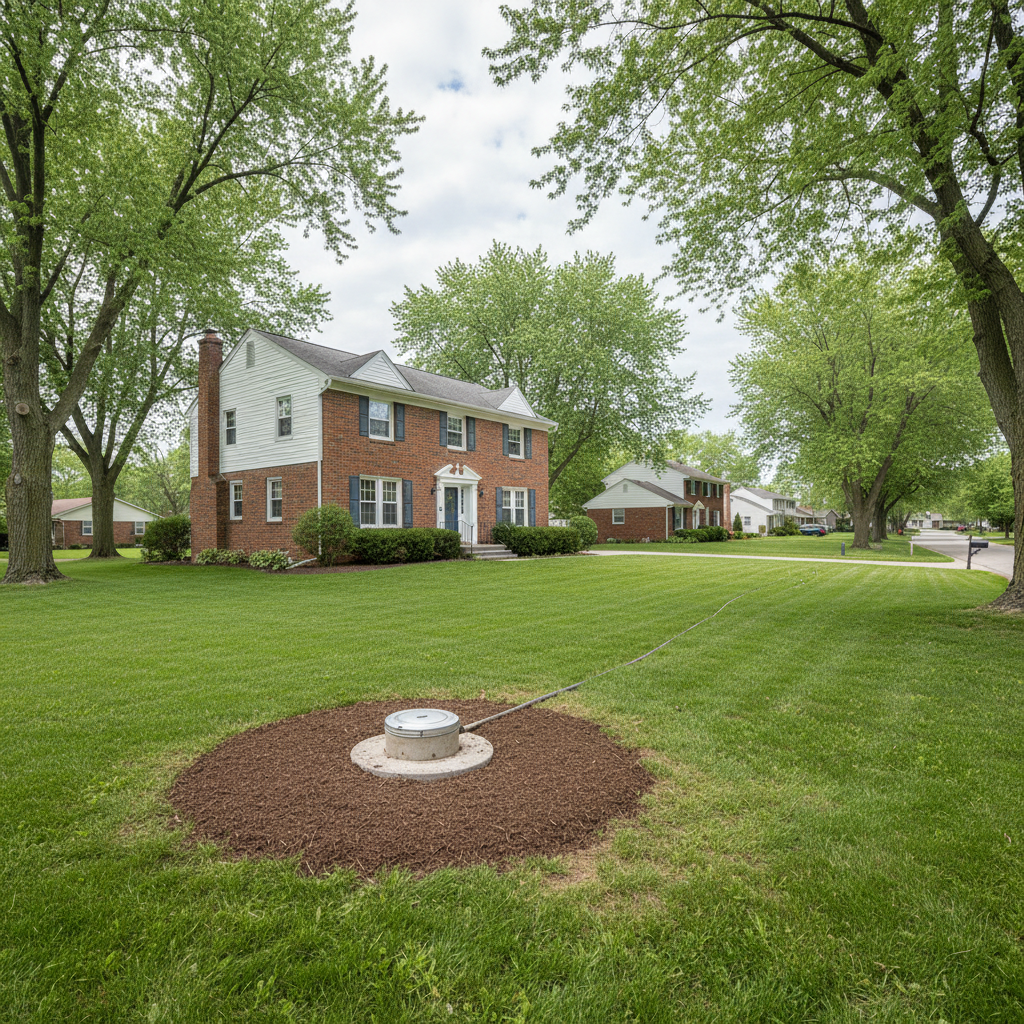
Alright, let's talk wells. Most folks around Rockford, especially out in areas like New Milford or over by Rock Cut State Park where city water isn't an option, tend to think about their well pump first. When the water stops, or the pressure drops, that pump's usually the first thing that comes to mind. And yeah, the pump's absolutely critical. But I've been doing this long enough to tell you, there's a whole lot more to proper well maintenance than just that humming box in your basement or well house.
Your Well Casing: The Unsung Hero
You know that pipe sticking out of the ground? That's your well casing. It's not just there to look pretty, believe me; it's protecting your water supply from surface contamination. Here in northern Illinois, with our freeze-thaw cycles and sometimes heavy spring rains, that casing takes a real beating. I've seen casings that are cracked, corroded, or even just not properly sealed at the top. A tiny crack might not seem like a big deal, but it's an open invitation for bacteria, pesticides from nearby fields, or even just plain old dirt to get into your drinking water. And we're talking about the water you drink, bathe in, and cook with. You really don't want anything getting in there that shouldn't be, do you?
Regular visual inspections are a good start. Take a walk around your wellhead. Is the cap secure? Can you spot any cracks in the casing itself? Is the ground around it sinking or eroding? These are all red flags. If you see anything suspicious, don't just ignore it. Give us a call. It's a lot cheaper to fix a small problem now than to deal with a contaminated well later, trust me.
The Well Screen: Your Water's First Filter
Deep down in the well, at the bottom of the casing, there's a well screen. This isn't something you can easily see or inspect yourself, but it's vital. Its job is to let water in while keeping sand, gravel, and other sediment out. Over time, these screens can get clogged with mineral deposits or fine particles. When that happens, your pump has to work harder to pull water, which means higher energy bills and a shorter lifespan for your pump. It also reduces your well's yield – meaning less water available to you.
If you've noticed your water pressure dropping gradually, or your pump seems to be running more often than it used to, a clogged well screen could be the culprit. Sometimes, a professional well cleaning or 'surging' can clear these blockages and restore your well's efficiency. It's not a DIY job; you need specialized equipment and knowledge to do it right without damaging the well itself.
The Pressure Tank: More Than Just Storage
Okay, so your pressure tank isn't technically 'in' the well, but it's a crucial part of your well system. It stores water under pressure, so your pump doesn't have to kick on every single time you open a faucet. This saves wear and tear on your pump and keeps your water pressure consistent. I've been to homes in older neighborhoods, like those around Churchill Park, where the pressure tanks are decades old and haven't been checked in years. What a shame.
The main thing to check is the air pressure in the tank. If it's too low, your pump will cycle on and off too frequently (we call that short cycling), which is bad for the pump. If it's too high, you won't get much water out of the tank before the pump kicks on. You can check the air pressure with a tire gauge on the valve at the top of the tank, but make sure the pump is off and the water pressure is drained first. If you're not comfortable doing it, or if your pump is short cycling, it's definitely time for a professional to take a look.
Why Local Expertise Matters for Your Rockford Well
Look, I'm not just some guy who read a manual. I'm a local. My team at Valley Well Drilling has been working on wells in Winnebago County for years. We know the geology here – the different layers of soil, clay, and rock. We understand how our specific weather patterns, from those brutal winters to our humid summers, impact well systems. We've seen what happens when wells aren't maintained properly in this specific environment.
When you call us, you're not getting a generic, one-size-fits-all solution. You're getting someone who understands the nuances of Rockford wells. We know what problems are common in certain areas, what kind of water quality issues to anticipate, and how to best protect your investment. Maintaining your well isn't just about fixing things when they break; it's about preventing those breaks in the first place. It's about ensuring you have a reliable, safe water supply for years to come. Don't wait until you're without water to think about well maintenance. A little proactive care goes a long, long way.