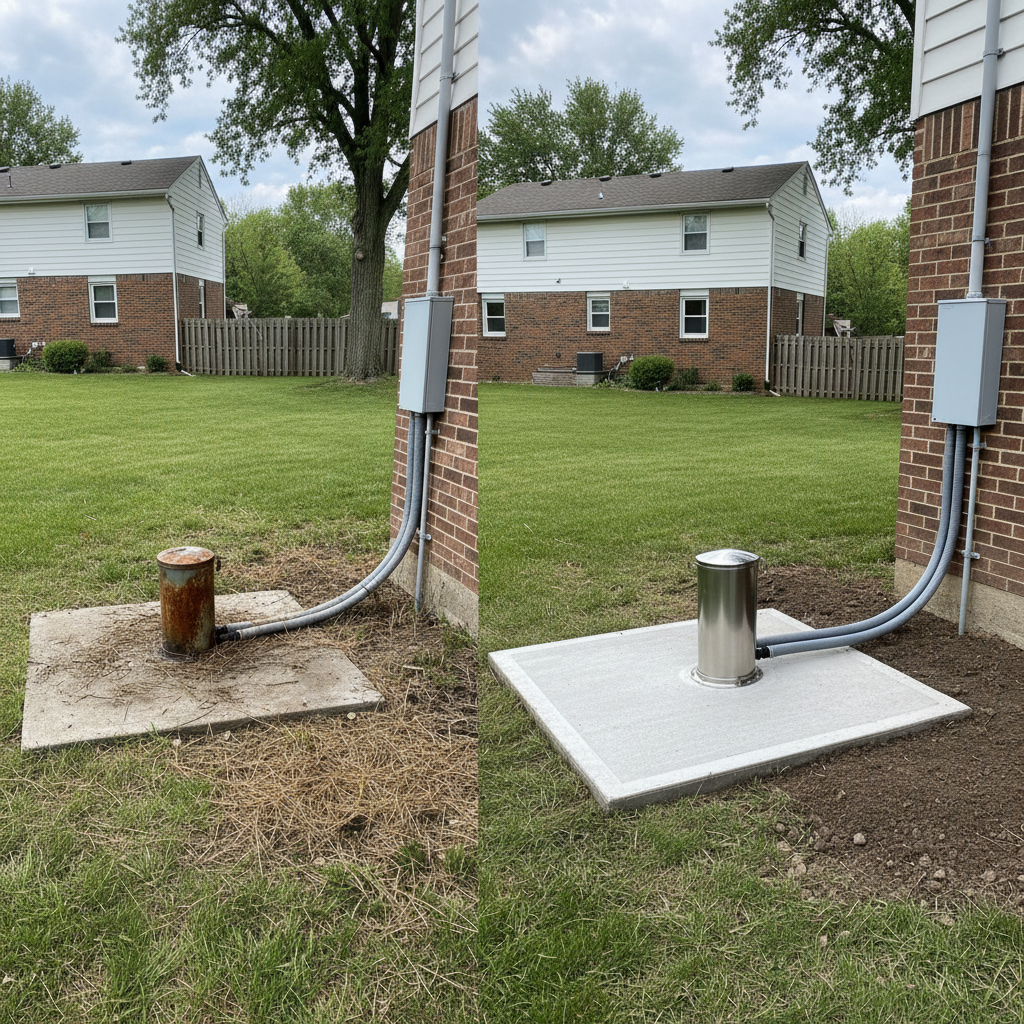
Your well's acting up, and you're staring down a repair bill. It's never fun, I know. The big question usually boils down to this: can we patch it up, or are we looking at a full replacement? As someone who's been digging and fixing wells around Rockford for years, I've seen both approaches, and each has its place. But let's be honest, one is usually the smarter long-term play, especially with our local conditions.
Patching a Well: The Quick Fix
When I talk about 'patching,' I'm usually referring to fixing a specific, isolated problem. Maybe it's a small crack in the casing, a faulty pump component, or a broken pipe section. It's about addressing the symptom without overhauling the whole system.
Cost
This is where patching shines, initially. It's almost always cheaper upfront. You're paying for specific parts and labor for a targeted repair, not a whole new setup. If it's just a pump motor that's seized up, replacing that motor is way less than drilling a new well.
Durability
Here's the rub. The durability of a patch depends entirely on what you're patching and why it failed in the first place. If it's a minor, one-off issue, a patch can hold for years. But if that crack in the casing is a symptom of an aging, deteriorating well, that patch is just a band-aid. You fix one spot, and another might pop up next year. It's like patching a tire with dry rot – it might get you down the road, but you're still on borrowed time.
Maintenance
Maintenance for a patched well is pretty much the same as any other well, but you'll want to keep a closer eye on the area that was repaired. If the underlying issue is age, you're likely to have more 'maintenance' in the form of future repairs.
Appearance
Doesn't really change much. Most well components are underground or in a well house, so a patch isn't usually visible.
Full Well Replacement: The Long-Term Solution
A full replacement means decommissioning the old well and drilling a brand-new one. This isn't just about replacing parts; it's about starting fresh with a new bore, new casing, new pump, and new everything.
Cost
No sugar-coating it: a full replacement is a significant investment upfront. It's the most expensive option, no doubt. You're paying for drilling equipment, new materials, and a lot more labor. But think of it as buying a new car versus constantly fixing up an old clunker.
Durability
This is where you get your money's worth. A new well, installed correctly by a reputable company like Valley Well Drilling, is built to last for decades. We're talking 30, 40, even 50 years or more with proper care. You get modern materials, up-to-date drilling techniques, and a system designed for maximum efficiency and longevity. You won't be worrying about the next failure for a long, long time.
Maintenance
Generally, a new well requires less frequent and less intensive maintenance in its early life. You'll still want your annual check-ups, but you're not constantly chasing down leaks or failing components. It's a fresh start, so you're usually just doing preventative stuff.
Appearance
Again, mostly underground. But a new well means a fresh well cap and possibly a new well house or pitless adapter, which can look tidier if those components were old and rusty before.
My Recommendation for Rockford Homeowners
Look, I get it. Nobody wants to spend more money than they have to. But as a contractor who sees the aftermath of 'patching' decisions all the time, my honest recommendation for most significant well problems in the Rockford area is a full replacement.
Why? Our geology around here, especially in older neighborhoods like those near the Rock River, often means wells are dealing with a lot. We've got clay, sand, and sometimes a fair amount of iron in the water, which can contribute to corrosion and sediment buildup over time. Older wells, particularly those installed decades ago, often have steel casings that eventually corrode and fail. You can patch a hole, but you can't stop the whole casing from aging.
If your well is old, if you're experiencing frequent issues, or if the problem is with the well casing itself, a patch is just delaying the inevitable. You'll spend money on several small repairs that add up, only to end up needing a full replacement anyway. You'll have peace of mind, better water quality (often), and a system that won't leave you high and dry when you least expect it. It's a bigger bite now, but it saves you headaches and money in the long run. Give us a call at Valley Well Drilling, and we can come out and give you an honest assessment of your situation.